INTRODUCTION-
Imagine a morning without a refrigerator keeping your food fresh, a washing machine handling piles of clothes, or a mixer helping you prepare breakfast. It would probably make everyday life feel a lot more tiring. This is where home appliances quietly become a part of our daily routines.
From the moment we wake up until we go to bed, we use different appliances without even thinking much about them. They save our time, reduce our effort, and make household tasks easier and more convenient. Whether it is an air conditioner keeping us comfortable on a hot day, a microwave helping us heat food quickly, or a simple iron making our clothes look neat, these appliances have become an important part of modern living.
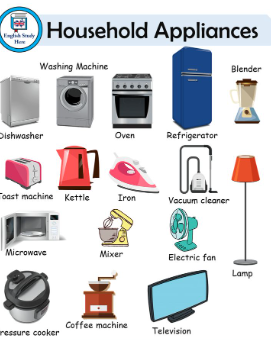
TABLE OF CONTENT
1 How to Find Home Deals Below Market Value
2 10 Home Deals That Can Cut Your Monthly Costs
3 Are Home Deals Worth the Hidden Repair Costs?
When buying home appliances, consider the initial price, expected lifespan, repair expenses, and warranty before deciding whether a deal is worthwhile.
1How to Find Home Appliances Below Market Value
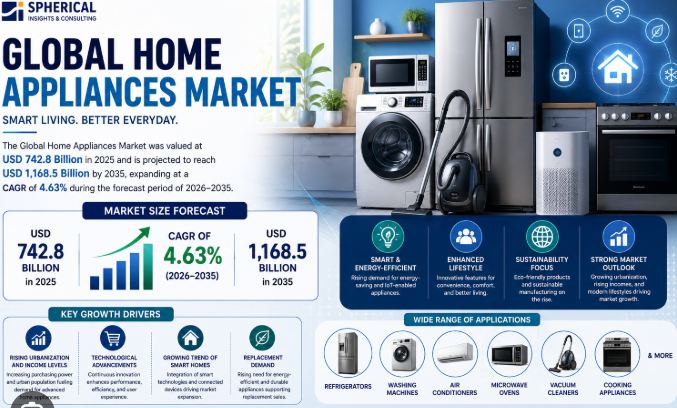
Buying home appliances can be exciting, especially when you are setting up a new home, upgrading an old kitchen, or simply replacing an appliance that has stopped doing its job. From refrigerators and washing machines to air conditioners, televisions, microwave ovens, mixer grinders, irons, and other everyday appliances, these products have become an important part of modern living.
But there is one thing that can make appliance shopping less exciting: the price.
Good-quality home appliances can be expensive, and it is easy to spend more than you originally planned. The good news is that you do not always have to pay the regular market price. With a little research, patience, and smart shopping, you can find genuine home appliance deals below the usual market value.
Finding a great deal does not simply mean looking for the cheapest product. A low price is only useful when the appliance offers good quality, reasonable performance, warranty coverage, and long-term value. Sometimes a slightly more expensive product can actually save money because it consumes less electricity, lasts longer, or requires fewer repairs.
So, how do you find the right appliance at the right price?
Let us look at some practical ways to shop smarter and get better value from your money.
Understand Home Appliance Prices Before Buying
Before purchasing home appliances, compare prices from different retailers to identify genuine discounts and get the best value for your money.
Before searching for a discount, you need to know what the product normally costs.
This sounds obvious, but it is one of the most important steps in finding home appliance deals below market value. A product advertised as “50% off” may not necessarily be a great bargain if its original price has been increased before the discount.
Start by checking the price of the same model from multiple sellers. Look at online stores, local appliance shops, brand outlets, and other reliable retailers. Make sure you compare the exact model number, because two appliances can look almost identical while having completely different specifications.
For example, if you are buying a refrigerator, compare its capacity, energy rating, cooling technology, warranty, and features along with the price. Similarly, when buying a washing machine, check its capacity, washing programs, motor type, energy efficiency, and warranty.
Once you understand the normal selling price, it becomes much easier to recognize a genuine deal.
Compare Home Appliances Before You Buy Comparing home appliances based on energy efficiency, warranty coverage, and maintenance costs can help you make a smarter buying decision.
One of the simplest ways to save money is to avoid buying the first appliance you see.
Different retailers can offer different prices for the same product. One shop might provide a lower product price, while another might include free delivery, installation, accessories, or an extended warranty.
This is why comparing the total value is more important than comparing only the price printed on the tag.
Suppose one washing machine costs slightly less than another, but the second model has better energy efficiency and a longer warranty. Over several years, the second option could prove to be more economical.
When comparing home appliances, consider:
- Product price
- Warranty period
- Installation charges
- Delivery charges
- Energy consumption
- Maintenance requirements
- Included accessories
- After-sales service
- Exchange or upgrade offers
A good deal should make sense beyond the checkout counter.
2 10 Home Appliance Deals That Can Cut Your Monthly Costs
Choosing energy-efficient home appliances can help households manage electricity consumption while maintaining everyday comfort and convenience.
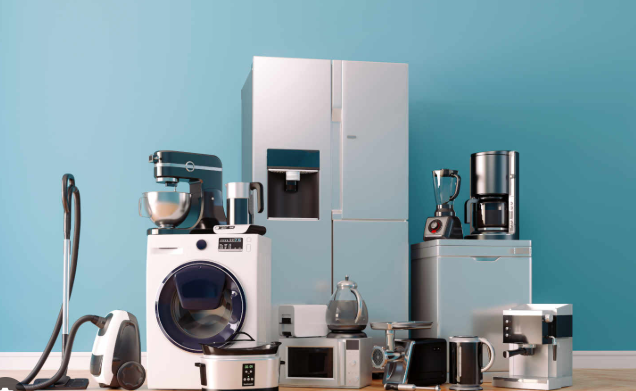
Here are ten home appliance deals and smart upgrades that can help reduce your monthly household costs while making everyday life easier.
Check Energy Ratings Before Buying Home Appliances
Before purchasing home appliances, always compare their energy efficiency ratings, electricity consumption, and long-term running costs. The Bureau of Energy Efficiency (BEE) provides information about star-labelled appliances to help consumers make informed purchasing decisions. Visit the BEE guide to star-labelled appliances to learn more about energy efficiency and appliance labels.
You should also consider product safety and applicable standards when choosing electrical appliances. The Bureau of Indian Standards (BIS) provides information about safety standards for household electrical appliances.
1. Energy-Efficient Refrigerator
The refrigerator is one of the few appliances that usually runs throughout the day and night. Because it stays switched on almost continuously, its electricity consumption can have a significant effect on your monthly power bill.
If your refrigerator is several years old, upgrading to a newer energy-efficient model may be worth considering. Modern refrigerators are designed to provide effective cooling while using electricity more efficiently. Features such as inverter compressors can adjust cooling according to the requirement instead of operating at the same intensity all the time.
When buying a refrigerator, do not focus only on its size or appearance. Check its energy rating, capacity, cooling technology, and expected electricity consumption. A larger refrigerator is not always the better choice if you do not actually need the extra space.
2. Inverter Air Conditioner
Air conditioners are extremely useful during hot weather, but they can also become one of the biggest contributors to your electricity bill. If you use an AC regularly, choosing the right model can make a significant difference.
An inverter air conditioner is designed to adjust the compressor speed according to the cooling requirement. Instead of repeatedly switching fully on and off, the system can operate at different speeds to maintain the desired temperature.
This can make inverter ACs more efficient, particularly when they are used for longer periods. However, the actual savings depend on factors such as room size, usage hours, temperature settings, insulation, outdoor temperature, and maintenance.
When purchasing an AC, choose a capacity appropriate for the room. Installing an oversized or undersized unit can affect performance and efficiency.
You should also clean the filters regularly. Dirty filters can restrict airflow and make the AC work harder. Keeping doors and windows closed while the AC is running can also prevent cool air from escaping.
Instead of setting the temperature extremely low, maintaining a comfortable temperature can help balance comfort and energy consumption.
A good inverter AC deal can therefore be useful for both comfort and long-term household budgeting.
3. Efficient Mixer Grinder
A mixer grinder may not consume as much electricity as an air conditioner or refrigerator, but it is still an essential kitchen appliance in many homes.
From preparing chutneys and spices to making smoothies, sauces, and batter, a mixer grinder can save considerable time and effort. Choosing a reliable model with an efficient motor can also help you avoid frequent replacements.
Instead of purchasing the most powerful model available, consider what you actually prepare at home. A very high-powered appliance may be unnecessary for simple daily tasks.
Look for durable jars, a reliable motor, practical speed settings, and a good warranty. A slightly better-quality appliance can sometimes be more economical over several years than repeatedly replacing cheaper products.
Keeping blades sharp and avoiding overloading the jars can also help the appliance operate properly.
The biggest saving here may not come directly from electricity consumption. A dependable mixer grinder can save time, reduce the need for outside food preparation, and make everyday cooking more convenient.
4. Energy-Efficient Water Heater
Water heaters can consume a considerable amount of electricity, particularly during colder months when they are used frequently.
If your water heater is old or inefficient, upgrading to a more efficient model can be worth considering. Look for features such as temperature controls, insulation, automatic cut-off, and appropriate capacity.
Buying a water heater that is too large for your household can mean heating more water than necessary. On the other hand, a very small unit may require repeated heating.
The key is finding a capacity that matches your actual needs.
You should also avoid keeping the heater switched on for longer than necessary. Using a timer or switching it off once the required hot water is available can prevent unnecessary energy consumption.
Regular maintenance is equally important. Depending on the type of water heater and local water conditions, professional servicing may be needed to maintain efficient operation.
Before purchasing, compare the appliance’s energy efficiency, capacity, safety features, warranty, and installation requirements.
5. LED Lighting and Smart Lighting Solutions
Lighting may not immediately come to mind when discussing home appliances, but changing inefficient lights can be one of the simplest ways to reduce household electricity consumption.
LED bulbs generally consume less electricity than traditional incandescent bulbs and can provide long service life. Replacing frequently used old bulbs with efficient LED alternatives can therefore be a practical home upgrade.
Smart lighting can provide additional control. Depending on the system, users may be able to schedule lights, control them remotely, or automatically switch them off when they are not needed.
However, you do not need an expensive smart-home setup to save money.
Sometimes the simplest solution is the most effective: switch off lights when leaving a room and make use of natural daylight whenever possible.
If you are renovating your home or replacing old lights, choosing efficient lighting throughout the house can gradually reduce electricity consumption.
This is particularly useful because lighting is used every day, meaning even small improvements can accumulate over time.
6. Energy-Efficient Ceiling Fan
Ceiling fans are used for long periods in many Indian homes, particularly during warm weather. Choosing an efficient fan can therefore make a difference to household electricity usage.
Modern fans are available with improved motor technologies that can provide good airflow while consuming less electricity than some conventional models.
When choosing a ceiling fan, consider the room size, blade design, motor efficiency, speed options, and warranty. A fan that is too small for a large room may not provide sufficient airflow, while an unnecessarily large fan may not be ideal for a smaller space.
Fans can also work alongside air conditioners. Using a fan can help circulate cool air around a room, potentially allowing you to keep the AC at a more moderate setting while maintaining comfort.
Regular cleaning is also important. Dust accumulation on fan blades can affect performance and airflow.
A relatively simple appliance upgrade like an efficient ceiling fan can therefore contribute to lower electricity usage without sacrificing everyday comfort.
7. Multi-Function Kitchen Appliances
Buying one appliance that can perform several useful tasks can sometimes be more economical than purchasing multiple separate appliances.
For example, some modern kitchen appliances combine functions such as blending, grinding, chopping, or food processing. Depending on your cooking habits, a multi-function appliance can reduce the number of devices you need to purchase and maintain.
However, multifunction does not automatically mean better. Before purchasing, think about which features you will genuinely use.
A machine with twenty functions may not provide good value if you regularly use only two or three of them. On the other hand, a well-designed appliance that replaces several commonly used kitchen tools can be a smart purchase.
Consider the appliance’s power consumption, build quality, replacement parts, warranty, and ease of cleaning.
The goal is not simply to buy more technology. It is to choose appliances that make your routine easier while offering good value over their entire lifespan.
8. Replace Old Bulbs with LED Lighting
Lighting may not be considered a major home appliance, but it is one of the easiest areas where households can reduce electricity consumption.
If your home still uses older, less efficient bulbs, switching to LED lights can be a simple upgrade.
LED bulbs generally consume less electricity than traditional incandescent bulbs and are designed to last much longer. This means you can potentially save on both energy consumption and frequent replacement costs.
The best part is that upgrading lighting does not require a major investment. You can replace bulbs gradually instead of changing every light in the house at once.
You can also develop simple habits such as switching off lights when leaving a room and using natural daylight whenever possible.
Small savings may not seem impressive on a single day, but remember that lighting is used almost every day. Over an entire year, small reductions in electricity usage can become meaningful.
9. Pick the Right Microwave or Oven for Your Cooking Habits
Kitchen appliances can make everyday cooking much easier, but buying more appliances than you actually need can quickly become an unnecessary expense.
Before buying a microwave, oven, or combination appliance, think about how you normally cook. If you mainly reheat food, a basic microwave may be enough. If you regularly bake, grill, or prepare larger meals, a more versatile model could offer better value.
The goal should not be to purchase the appliance with the longest feature list. Instead, choose one that matches your actual cooking habits.
Using an appropriately sized appliance can also help avoid wasting energy. There is little benefit in heating a large oven for a very small task if a smaller appliance can handle it.
Microwaves can be particularly convenient for reheating smaller portions quickly. For some everyday tasks, this can be more practical than using a larger cooking appliance.
Money-saving tip: Plan cooking and reheating efficiently. Avoid repeatedly heating the same food in small portions when you can safely prepare or reheat it together.
10. Take Advantage of Seasonal Home Appliance Deals
One of the easiest ways to reduce your overall home appliance expenses is to buy at the right time.
Home appliances are frequently offered with discounts, exchange offers, cashback promotions, bundle deals, and other seasonal offers. Major shopping periods and festive seasons can sometimes provide opportunities to purchase products at attractive prices.
However, a discount is only useful if the product itself is worth buying.
Before purchasing, compare prices across different sellers and check the actual specifications. Look beyond the advertised percentage discount and compare the final price you will pay.
It is also important to check warranty terms, installation charges, delivery conditions, service availability, and return policies.
For expensive products such as refrigerators, washing machines, air conditioners, and televisions, a small difference in the initial price can be less important than long-term reliability and after-sales service.
Money-saving tip: Make a list of the appliances you genuinely need before a sale begins. This can help you avoid impulse purchases just because something has a large discount label.
3 Are Home Deals Worth the Hidden Repair Costs?

So,Are Home Appliance Deals Worth the Hidden Repair Costs? Let’s take a closer look.
The Attraction of a Great Home Appliance Deal
Everyone loves a good deal. When a product is advertised with a large discount, it is natural to feel that you are saving money. For families working with a fixed budget, discounts can make expensive appliances much more affordable.
For example, imagine two washing machines with similar features. One costs ₹28,000 and the other is available for ₹21,000 during a special sale. The second option immediately looks more attractive. You may think you have saved ₹7,000.
However, the purchase price does not tell the entire story.
What if the cheaper machine requires a costly repair after the warranty ends? What if its replacement parts are difficult to find? What if it consumes more electricity or water? What if its service network is limited in your area?
Suddenly, that ₹7,000 saving may not be as valuable as it appeared.
This is why smart shopping is not simply about finding the lowest price. It is about finding the best overall value.
A good home appliance should offer a reasonable balance between purchase price, performance, durability, energy efficiency, warranty coverage, maintenance, and repair costs.
Why Cheap Appliances Can Sometimes Become Expensive
A low price does not automatically mean poor quality. Many reputable brands offer discounts during festive sales, seasonal promotions, clearance events, and new-model launches.
The problem starts when buyers focus only on the discount and ignore the details.
Some inexpensive appliances may use components that are cheaper to manufacture. If these parts fail more frequently, the owner may have to spend money on repairs. In some cases, a single major repair can reduce or completely remove the money saved during the initial purchase.
For example, an appliance may cost ₹5,000 less than another model. If you later spend ₹2,000 on a repair and another ₹3,000 on replacement parts, the original saving has effectively disappeared.
There is also the possibility of repeated minor repairs. A machine that requires several small fixes can become frustrating and expensive over a period of years.
This is why buyers should think about long-term ownership costs, not just the amount printed on the price tag.
Understanding Hidden Repair Costs
Hidden repair costs are expenses that are not always obvious when you purchase an appliance.
These costs can include replacement parts, technician visits, transportation, installation, labour charges, diagnostic fees, and sometimes even taxes or additional service charges.
Different appliances have different repair requirements.
A refrigerator, for instance, may require professional attention for problems involving the compressor, thermostat, fan, sensors, or cooling system. A washing machine can develop issues with the motor, drum, water inlet system, drainage system, or electronic control board.
Air conditioners can have maintenance and repair costs related to filters, fans, electrical components, sensors, refrigerant-related servicing, and other parts.
Even smaller appliances such as mixer grinders or microwave ovens can become expensive to repair if a major internal component fails.
The key point is that repair costs can vary dramatically depending on the appliance, brand, model, part availability, and service provider.
Warranty: Your First Line of Protection
One of the most important things to check before buying a home appliance is the warranty.
A warranty can protect you from certain manufacturing defects and qualifying failures during the covered period. However, it is important not to assume that every type of damage or repair will automatically be covered.
Read the warranty terms carefully.
Check how long the product warranty lasts and whether important components have separate warranty periods. Some products may offer a general warranty for the appliance while specific components receive longer coverage.
You should also check whether installation needs to be completed by an authorized technician for the warranty to remain valid.
Another important detail is what the warranty actually covers. Physical damage, improper installation, misuse, accidental damage, or certain consumable parts may not be included.
Taking five minutes to understand the warranty can save you from an unpleasant surprise later.
Final Thoughts
Home appliances are no longer simple one-time purchases. They are products that become part of our everyday routines. A refrigerator keeps food fresh, a washing machine saves hours of household work, an air conditioner keeps the home comfortable, and a television or other electronic device can become part of our daily entertainment.
Because we use these products so often, choosing the right one matters.
When you see an attractive home appliance deal, enjoy the discount — but don’t stop there. Look at the warranty. Check the service network. Think about electricity consumption. Ask about installation. Research replacement parts. Read long-term customer experiences. Most importantly, consider how the appliance will fit into your life over the next several years.
A genuinely good deal is not simply the appliance with the biggest percentage written on the sale banner.
It is the appliance that gives you good performance without creating unnecessary expenses later.2