Introduction
Every parent wants a safe and comfortable home for their family. These home appliance safety tips for kids will help you protect children from common household hazards, including hot kitchen appliances, electrical outlets, loose cords, and unsafe device use. With proper supervision, simple safety rules, and childproofing measures, you can reduce the risk of accidents and create a safer environment for your family.
This blog is designed to help families create a safer living environment without living in constant fear. We’ll walk through practical, easy-to-implement safety rules for the kitchen, explain a useful guideline known as the 50/50 rule for appliances, and share ten essential electrical safety tips every child should learn. The goal isn’t to make your home feel like a restricted zone, but to teach kids smart habits while giving parents peace of mind.
By the end of this article, you’ll have a clear set of strategies to reduce risks, prevent accidents, and raise kids who understand how to interact safely with the appliances around them.
Table of Contents
- Introduction
- Disclaimer
- 5 Home Appliance Safety Tips for Kids in the Kitchen
- The 50/50 Rule for Home Appliance Safety
- 10 Electrical Safety Tips for Kids Around Home Appliances
- How to Build a Safer Home for Kids
- Final Thoughts
5 Home Appliance Safety Tips for Kids in the Kitchen
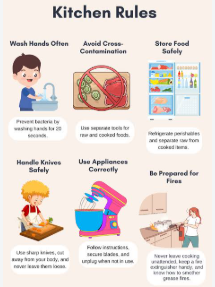
The kitchen is often called the heart of the home, but it’s also one of the most accident-prone areas for children. Hot surfaces, sharp tools, heavy appliances, and slippery floors create a perfect storm for mishaps. Teaching kids clear, consistent safety rules can dramatically reduce the risk of burns, cuts, and other injuries.
Here are five essential kitchen safety rules every family should establish and reinforce:
1. The “Ask First” Rule
Before touching any appliance, opening any cabinet, or using any tool in the kitchen, kids must ask a parent or responsible adult first. This simple rule sets a boundary that prevents unsupervised experimentation with stoves, microwaves, blenders, and knives.
Explain to children that the kitchen is a “team zone,” not a “solo zone.” Even older kids who feel confident should check in before using anything that involves heat, electricity, or sharp edges. Over time, this habit builds respect for kitchen tools and reduces impulsive behavior.
2. Stay Back from Hot Zones
Define clear “hot zones” in your kitchen—areas around the stove, oven, toaster, kettle, and any appliance that gets hot during or after use. Teach kids to stay at least one arm’s length away from these zones when appliances are in use.
You can use visual cues like colored tape on the floor or a small rug to mark boundaries for younger children. Reinforce the idea that “hot means no touch,” even if the appliance looks off. Many burns happen because a surface still holds residual heat long after it’s been turned off.
3. No Climbing, No Hanging
Kids love to climb, but kitchen counters, stools, and appliance doors are not playground equipment. Climbing on counters can lead to falls, and hanging on oven or refrigerator doors can cause them to tip or slam shut.
Make it a firm rule: counters are for food prep, not for sitting or standing. If kids need to reach something, they should ask for help or use a stable step stool designed for children, with adult supervision. Also, discourage hanging towels, bags, or toys on appliance handles, as this can tempt kids to pull or swing on them.
4. Keep Cords and Handles Tucked In
Loose appliance cords and protruding pot handles are common causes of kitchen accidents. A child can easily tug on a cord and pull a hot kettle down, or bump into a pan handle and spill boiling water.
Teach kids (and remind adults) to keep cords wrapped or pushed back when appliances like mixers, toasters, or blenders are in use. Pot handles should always face inward on the stove, away from the edge. Make this part of your regular kitchen routine so children see it modeled consistently.
5. Clean Spills Immediately—and Safely
Slips and falls are a major risk in the kitchen, especially when water, oil, or food spills go unnoticed. Teach kids that if they see a spill, they should tell an adult right away instead of trying to clean it themselves—especially if it’s near an appliance or on a slick floor.
For older kids who are ready to help with cleanup, show them how to do it safely: turn off nearby appliances if needed, use the right cloth or mop, and avoid standing in puddles. Emphasize that speed matters, but safety matters more.
By consistently reinforcing these five rules, you create a kitchen environment where kids know what’s expected and understand why certain behaviors are off-limits. Over time, these rules become second nature, reducing the likelihood of accidents and building a foundation for lifelong safety awareness.
Following these home appliance safety tips for kids can help prevent burns, falls, and other common kitchen accidents.
The 50/50 Rule for Home Appliance Safety
These home appliance safety tips for kids combine adult supervision with simple lessons that children can understand and follow.
You may have heard various “rules” about appliance safety, but one practical guideline that many safety experts and experienced parents recommend is the 50/50 rule. While not an official standard, it’s a helpful mental model for balancing convenience and caution in homes with children.
The 50/50 rule for appliances can be understood in two key ways:
1. 50% Supervision, 50% Education
The first interpretation of the 50/50 rule is about responsibility sharing between parents and kids. Roughly half of appliance safety comes from adult supervision—making sure young children aren’t left alone near dangerous appliances, checking that devices are turned off after use, and maintaining a safe environment.
The other half comes from education—teaching kids why certain appliances are risky, how to use them properly when they’re old enough, and what to do in case something goes wrong. You can’t supervise every moment forever, so equipping children with knowledge is the other critical 50%.
For example, a parent might supervise a 7-year-old while they use a microwave to heat a snack (supervision), while also explaining why metal shouldn’t go inside and how to handle a hot plate safely (education). As kids grow, the balance shifts: less direct supervision, more reliance on the safety habits they’ve learned.
2. 50% Unplugged or Secured, 50% Ready for Use
The second interpretation applies more to how appliances are kept when not in use. In homes with very young or highly curious children, it’s wise to keep about half of your smaller, portable appliances unplugged or stored away when not actively needed. This includes items like irons, hair dryers, blenders, and toaster ovens.
The other half can remain plugged in if they’re either out of reach, behind childproof locks, or in areas kids don’t access unsupervised. This approach reduces the number of “live” hazards in the home while still keeping essential appliances convenient for adults.
For instance, you might keep your daily-use microwave plugged in but stored on a high shelf, while unplugging the iron after every use and storing it in a locked cabinet. The exact split doesn’t have to be mathematical—it’s more about creating layers of protection so that not every appliance is a potential risk at all times.
Why the 50/50 Rule Works
The beauty of the 50/50 rule is that it’s flexible and realistic. It acknowledges that you can’t eliminate all risks, but you can significantly reduce them through a combination of vigilance and teaching. It also prevents parents from becoming overly anxious or restrictive, which can backfire by making kids more curious or rebellious.
Instead, the 50/50 rule encourages a balanced approach: create a safe environment, yes, but also invest in your child’s understanding and decision-making skills. Over time, this builds confidence on both sides—parents feel more comfortable giving age-appropriate independence, and kids feel trusted to follow safety guidelines.
10 Electrical Safety Tips for Kids Around Home Appliances
One of the most important home appliance safety tips for kids is to keep away from damaged cords, electrical outlets, and wet electrical devices.
Electricity powers much of modern life, but it’s also invisible and unpredictable, which makes it especially dangerous for children who don’t yet understand its risks. Teaching kids electrical safety early can prevent shocks, burns, fires, and even life-threatening injuries.
Here are ten essential electrical safety tips every child should learn, explained in simple, parent-friendly language:
1. Never Insert Objects into Outlets
One of the most common—and dangerous—curiosities among young children is sticking fingers, toys, or metal objects into electrical outlets. Explain clearly that outlets are not holes for play; they carry powerful energy that can hurt badly.
Use outlet covers or safety plugs on all unused sockets, especially in rooms where kids spend a lot of time. Reinforce the rule: “If it has holes and is on the wall, it’s not for touching.”
2. Don’t Touch Appliances with Wet Hands
Water and electricity are a dangerous mix. Teach kids to always dry their hands thoroughly before touching any plugged-in device, switch, or cord. This includes things like lamps, fans, chargers, and kitchen appliances.
Make it a habit to check that hands are dry before using anything electrical, and model this behavior yourself. You might even create a simple rhyme or reminder like, “Dry hands first, then press.”
3. Never Pull Cords to Unplug Devices
Kids (and even some adults) sometimes yank on cords to unplug devices, which can damage the wire, expose live parts, or cause sparks. Teach children to always grip the plug itself—not the cord—when unplugging anything.
Show them how to hold the plug firmly and pull straight out. If a plug feels stuck, they should ask an adult for help instead of forcing it.
4. Stay Away from Damaged Cords and Wires
Frayed, cracked, or chewed cords are serious hazards. Teach kids to recognize the signs of damaged wiring and to never touch or use anything with a broken cord. If they see one, they should tell an adult immediately.
Regularly inspect cords around your home, especially those for high-use appliances like chargers, lamps, and kitchen devices. Replace any that show wear, and keep cords out of reach of pets who might chew on them.
5. Don’t Overload Outlets or Power Strips
Plugging too many devices into one outlet or power strip can cause overheating and even fires. While this is more of an adult responsibility, older kids should understand the basics: one outlet isn’t meant to power half the room.
Teach them not to add extra plugs or adapters without asking, and to alert you if they see a power strip that feels hot, smells strange, or has too many things plugged in.
6. Keep Electrical Devices Away from Water
This goes beyond just wet hands. Kids should learn that phones, tablets, chargers, radios, and other electronics should never be used near sinks, bathtubs, pools, or any source of water.
Create clear zones in your home: “Water here, no electronics. Electronics there, no water.” This is especially important in bathrooms and kitchens, where the temptation to use a device near water might be high.
7. Don’t Play with Switches or Breakers
Light switches, fan regulators, and especially circuit breakers are not toys. Flipping switches repeatedly can wear them out, and tampering with the main breaker can cut power unexpectedly or create hazards.
Explain that switches are for turning things on and off when needed—not for games. If a light or fan isn’t working, they should tell an adult instead of trying to “fix” it themselves.
8. Use Only Kid-Safe, Approved Devices
Not all electronics are created equal. Teach older kids to look for safety marks or labels on devices and chargers, and to avoid using cheap, unbranded, or damaged electronics.
When buying gadgets for children, choose products designed with safety in mind—such as low-voltage toys, shatterproof casings, and built-in surge protection. Reinforce that if something looks suspicious or feels too hot, it shouldn’t be used.
9. Know What to Do in an Electrical Emergency
Kids should know basic steps to take if they see sparks, smoke, or smell burning from an appliance or outlet. The rule is simple: don’t touch, move away, and tell an adult immediately.
For older children, you can teach them how to turn off power at the main switch (if safe to do so) and when to call for help. Make sure they know emergency numbers and your home address in case they need to report an issue when adults aren’t nearby.
10. Respect “Do Not Touch” Zones
Some areas and devices in the home should always be off-limits to kids—like the main electrical panel, outdoor outlets, generator systems, or high-voltage appliances. Clearly mark or communicate these zones and explain why they’re restricted.
Consistency is key. If something is a “no-touch” item, it should always be a “no-touch” item, not just when you’re in a hurry. Over time, kids learn to respect boundaries when they’re clear and consistent.
By teaching these ten electrical safety tips, you’re not just preventing accidents—you’re raising kids who understand how to navigate a powered world responsibly. These lessons will serve them well beyond childhood, whether they’re living in their first apartment or managing their own home one day.
How to Build a Safer Home for Kids
Parents can reinforce home appliance safety tips for kids by practicing safe habits together every day.
Creating a safe home isn’t about installing a dozen gadgets or memorizing endless rules. It’s about building small, consistent habits that add up over time. Start with one area—like the kitchen—and introduce one or two new rules each week. Involve your kids in the process by explaining why each rule matters and letting them help implement solutions, like placing outlet covers or organizing cords.
Make safety conversations normal, not scary. Instead of saying, “Don’t touch that or you’ll get hurt,” try, “This helps us stay safe while we cook.” Positive framing reduces fear and encourages cooperation.
Also, revisit your safety practices as your kids grow. A rule that works for a 4-year-old might need adjusting for a 10-year-old who’s ready for more responsibility. The goal is to gradually shift from constant supervision to trusted independence, backed by solid knowledge.
Final Thoughts
Home appliance safety isn’t about turning your house into a fortress—it’s about creating a space where kids can explore, learn, and grow with confidence and care. By establishing clear kitchen rules, applying practical guidelines like the 50/50 rule, and teaching essential electrical safety habits, you’re giving your family the tools to prevent accidents before they happen.
Remember, safety is a team effort. When kids understand the “why” behind the rules, they’re more likely to follow them—and even remind adults when someone slips up. Over time, these practices become part of your family culture, making your home not just safer, but smarter.
Start today. Pick one tip from this blog and put it into practice this week. Small steps lead to big changes, and every habit you build now is an investment in your family’s long-term well-being.
By following these home appliance safety tips for kids, families can build safer routines and help children understand household hazards.